The Host's Uniform: What to Wear for the Dinner Party You Are Actually Giving
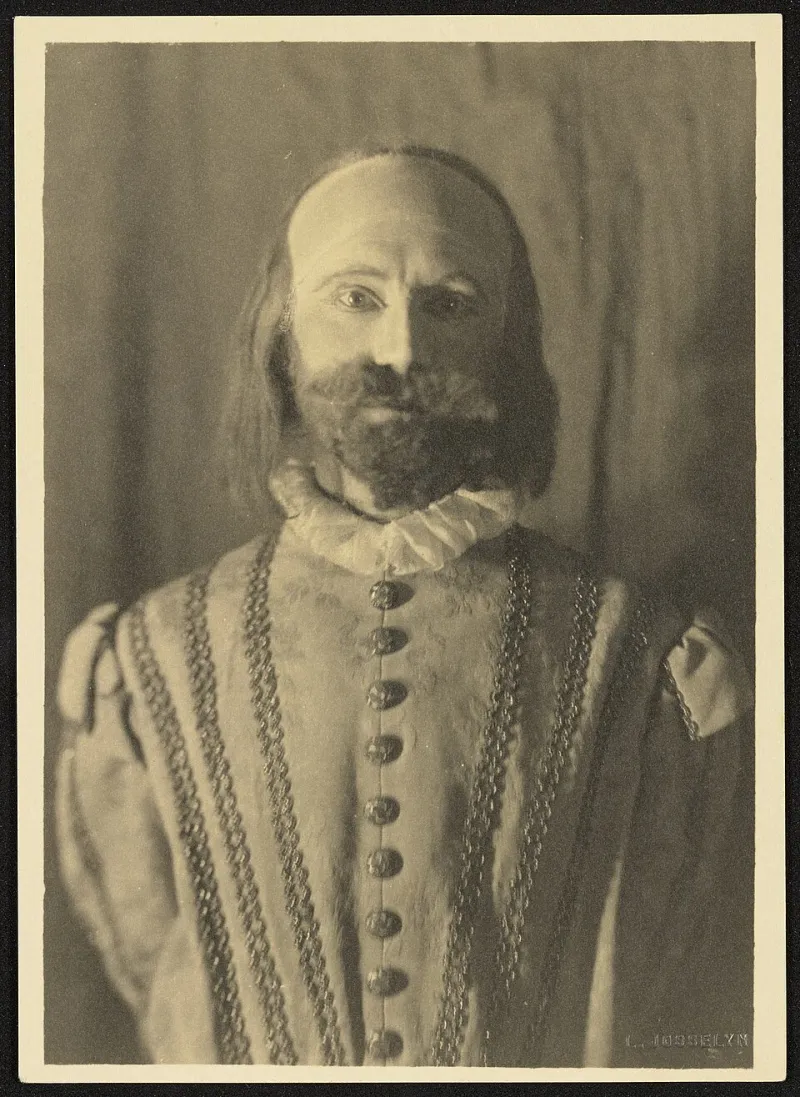
Photo: Lewis Josselyn, Public domain, via Wikimedia Commons
There is a particular moment, somewhere between the evening's first arrival and the last plate cleared, when a host becomes aware of the outfit. The waistband has been sitting against a counter edge. The sleeve has been near a pan. The shoes, chosen at six o'clock with optimism, have been standing for three hours.
Hosting at home asks clothes to do something their designers rarely anticipate: move between a working kitchen and a composed dining room, repeatedly, for the length of an evening, in view of guests. It is a performance with a long run time and no intermission.
The solution is not a costume. It is a uniform, assembled in advance, with the same care a designer applies to any room that must serve two purposes.
Two Audiences, One Outfit
A host's outfit has two audiences: the people at the table, and the hour of physical work that precedes them. Attending to one at the expense of the other produces the familiar outcomes — a silk blouse worn with protective anxiety, or a comfortable knit that reads as an apology at the head of a set table.
The resolution is a small set of garments that hold their shape under both conditions. Structure at the shoulder and a looser line below. A dark ground. Nothing that requires vigilance.
The Five-Piece Capsule
Five pieces, chosen once, cover nearly every menu and every guest list:
- A relaxed but structured top. A dark cotton poplin shirt with a defined collar, or a fine-gauge knit with a clean neckline. Long sleeves that can be pushed to the forearm are preferable to short sleeves, which offer no protection from the stove.
- A sturdy trouser. A straight or wide leg in wool crepe, dense cotton, or a broken-in dark denim. Elastic or drawstring waistbands are worth considering honestly; nobody at the table is inspecting your closure.
- An apron that reads as a garment. Not a novelty print. A cross-back linen or cotton canvas apron in a neutral tone protects the outfit and, worn over the first two pieces, is the closest thing a host has to a working wardrobe change.
- A low block shoe. Substantial enough to stand on a tile floor for two hours, refined enough to cross a dining room without announcing itself.
- One finishing layer. A soft blazer, a knit vest, or a silk scarf — the piece that converts the working outfit into a seated one.
The Fabric Test
Hosting favors fabric that tolerates an honest evening. Wool crepe resists creasing and drapes well at the table. Firm cotton poplin hides small spills better than pale linen ever will. Ponte holds its shape after hours of movement. Dark grounds with a subtle print are the most forgiving surface of all, because they absorb an accident rather than display it.
What to avoid is equally specific: trailing sleeves near heat, silk in the kitchen, anything requiring dry cleaning after a single wearing, and pale surfaces without a plan. If a garment cannot survive a splash of olive oil and a quick blot, it belongs at the table rather than at the stove.
Footwear for the Long Shift
Test the shoe at home first — an hour on your own kitchen floor tells you more than a minute in a fitting room. Look for a low block heel or a flat with an actual sole, a closed toe near the stove, and a fit that does not require a decision after the second glass of wine.
Keep a second pair nearby — a softer flat or a low slipper — and change into it when the meal is served. It is a small ritual, nearly private, and it makes the evening feel longer in the best sense.
A Palette That Echoes, Not Matches
The temptation, once the table is set, is to coordinate too literally — to wear the tablecloth. Resist it. A host who matches the linens becomes part of the decor, and decor does not have opinions about the wine.
Better to borrow one note. If the table is cream, olive, and warm brass, wear charcoal with a single olive detail. If the tableware is white and copper, navy and a small warm metallic. If the setting is dark wood and low light, choose a mid-tone that separates from the furniture rather than merging with it.
The rule is simple: one point of correspondence, one point of contrast. The photographs taken at the end of the night will look deliberate rather than themed.
The Reveal at the Table
Build a transition into the evening. The apron comes off. The finishing layer goes on. Shoes change. It takes ninety seconds and it reads to guests as a considered host rather than a busy one.
This is the quiet argument for dressing for the dinner party you are actually giving, rather than the one photographed in magazines. The meal will end, the kitchen will need attention, and the last guest will linger at the door longer than expected. An outfit built for that entire arc — the heat, the table, the final dish — is the difference between hosting an evening and enduring one.
Dress for the work and the room, in that order. The composure follows.